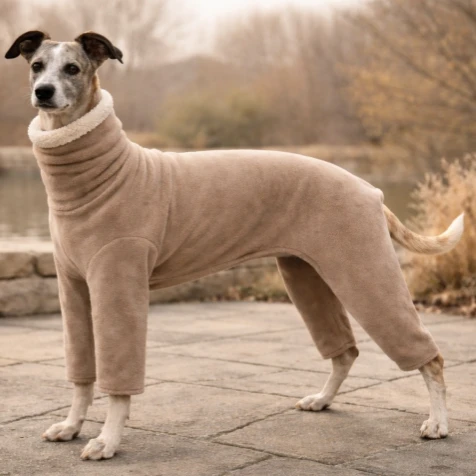
Many Whippet and sighthound owners know the feeling.
You open the door, your dog looks outside, sees the rain and immediately decides:
absolutely not.
Some will:
while others seem personally offended that you even suggested going for a walk.
Although this behaviour can be amusing, it is also incredibly common among:
and there are actually several reasons why sighthounds often dislike wet weather more than many other breeds.
Sighthounds Experience Weather Differently
Unlike heavily coated breeds, sighthounds have:
which means they feel changes in weather much more quickly.
Rain is not simply an inconvenience for many sighthounds.
It often brings:
all at the same time.
Many owners notice their dog becoming reluctant to walk even before the rain actually starts.
The combination of:
can be enough for some sensitive dogs to decide they would rather stay indoors.
Wet Fur Is Uncomfortable For Many Sighthounds
Many breeds seem completely unbothered by getting soaked.
Sighthounds often have a very different opinion.
Because their coats are so fine, rain quickly reaches the skin and many dogs appear noticeably less comfortable once wet.
Owners frequently observe:
particularly during prolonged wet weather.
For many sighthounds, staying dry appears to be far more important than it is for many other breeds.
Sensitive Feet May Also Play A Role
Another reason some Whippets and sighthounds dislike rain is the effect wet ground has on their feet.
Many owners notice their dogs:
Sighthounds are often extremely aware of surfaces beneath their feet.
Because of this, wet grass, muddy paths and cold pavements may feel less appealing than dry ground.
This can sometimes make rainy walks feel much less enjoyable from the dog’s perspective.
Why Some Sighthounds Learn To Avoid Rain
Sighthounds are intelligent dogs that quickly learn associations.
If previous rainy walks resulted in:
many dogs begin anticipating those experiences before the walk has even started.
This is one reason some Whippets seem to recognise rainy weather instantly.
They already know what comes next.
For them, avoiding the rain can simply be a logical decision based on previous experience.
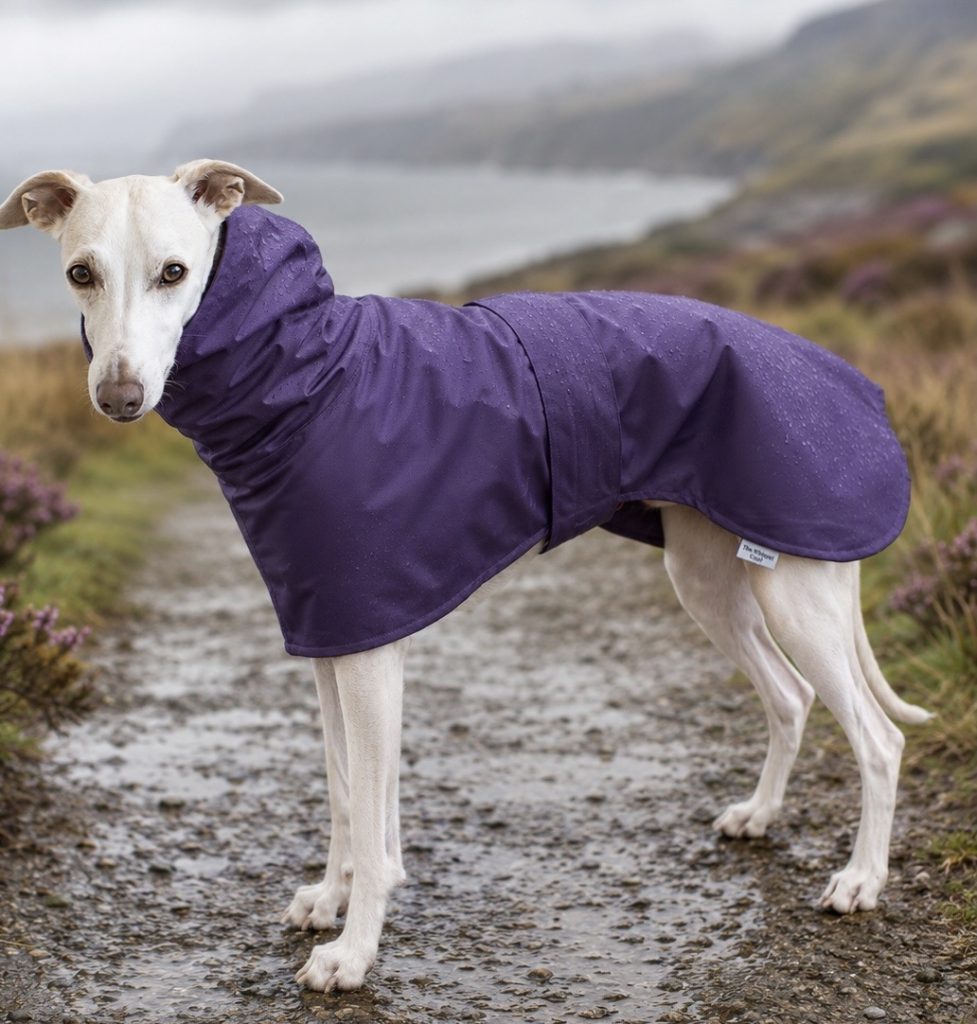
Why Many Sighthounds Suddenly Walk Faster In The Rain
Even dogs that reluctantly agree to go outside often behave differently once they are actually walking in wet weather.
Many owners notice their sighthound:
It is almost as if the dog has one goal:
get home and get warm.
This behaviour is particularly common in:
who often feel cold and damp conditions more intensely than many other breeds.
Why Drying Off Afterwards Matters
For many sighthounds, the rain itself is only part of the problem.
What happens afterwards can be just as important.
Many owners notice their dog:
particularly during:
Because sighthounds have very little natural insulation, many benefit from being dried off quickly and given a warm, comfortable place to relax afterwards.
This is one reason so many Whippet and Greyhound owners develop post-walk routines during wetter months.
Not Every Sighthound Hates Rain
Although the stereotype often exists for a reason, not every sighthound refuses rainy walks.
Some dogs:
while others would prefer never to see a puddle again.
Personality always plays a role.
However, even among confident outdoor dogs, many owners still notice increased sensitivity to:
compared with more heavily coated breeds.
Understanding The Behaviour Helps Owners
Rain avoidance is usually not stubbornness.
In many cases, it is simply a reflection of how these breeds experience weather.
Their:
mean they often experience cold and damp conditions very differently from many other dogs.
Once owners understand this, many of the breed’s rainy-day behaviours suddenly make much more sense.
Final Thoughts
Many Whippets and sighthounds dislike walking in the rain because wet weather often combines several things they naturally find uncomfortable:
For some dogs this means hesitation at the front door.
For others it means walking quickly, avoiding puddles or looking for the fastest route home.
While every dog is different, rain sensitivity is one of the most commonly recognised quirks among Whippet, Greyhound, Italian Greyhound, Saluki and Lurcher owners.
Understanding why it happens helps owners better appreciate the unique way these remarkable breeds experience the world around them.